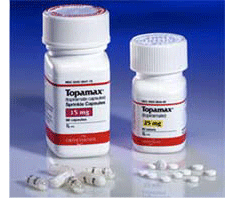
One study excluded that AEDs increase the risk of suicide


Since the U.S. Food and Drug Agency (FDA) warned in 2008 the increase of suicides associated with the use of antiepileptic drugs, the debate about the veracity of this phenomenon has not ceased. A Spanish research now joins the voices that defend the safety of these drugs. Their findings show that can be used safely in epileptic patients.
Following a clinical trial indicating that AEDs increased suicidal thoughts and actions, the FDA decided to include a warning (called 'black box' in English) in the listing of these drugs. However, "a measure was considered not entirely proven, that needed to be endorsed in a population of users of these drugs," explained one of the authors, Alejandro Arana, MR cabinet Pharmacovigilance Risk Services (based in Zaragoza).
"That's what we have done in this study," added José Luis Ayuso, Department of Psychiatry at the Autonomous University of Madrid, who also signs the job. Clinical trials, explains both, have the disadvantage that the population analyzed that meet certain criteria and follow-up period is short.
AEDs don´t increase the risk of suicide

To overcome these obstacles, the researchers obtained information from a database of British patients and analyzed the correlation between suicide attempts-consummated or not, and the use of antiepileptic drugs in people with epilepsy, depression, bipolar disorder or any of these three diseases.
Although the absolute numbers indicating a higher incidence of these episodes among those taking antiepileptic drugs, when the authors eliminated confounding factors, the risk was higher in epileptic patients not taking this medication, as reflected in the journal The New England Journal of Medicine.
As for people with depression or bipolar disorder, "noted an increased risk of suicide, but we can not know if it is for AEDs or the underlying disease," said Arana. Their analysis "suggests that the disease is more important than drugs," they explain in the pages of the magazine.

"In general," say the authors, our results confirm the findings reported by the FDA and reaffirm the safety of antiepileptic drugs, which are using more than 100 years, "added

Low-carbohydrate diet would increase good cholesterol


Reducing carbohydrates works similarly to remove the fat from the diet to lose weight, but could be better for the heart.In the long term, low-carb diet works the same way that a diet low in fat to lose weight, and might be better for the heart, new research suggests.
Both diets improved the cholesterol level in a two-year study that included intensive group counseling. But those who were under the low-carb diet was a significant increase in the so-called "good cholesterol", almost twice the number who underwent a diet low in fat.In previous studies, low-carbohydrate diets have been better to lose weight in six months, but long-term results have been mixed. And it was suggested that cholesterol levels have been better to eat food low in carbohydrates.

The latest study is one of the longest to compare approaches. At the end of two years, the average weight loss was the same for both: about 6.8 kilograms (15 pounds), 7%.
The crucial difference was in the high-density lipoprotein (HDL, by its initials in English), known as good cholesterol, a 23% increase in the low-carbohydrate diet compared with an improvement of 12% in the diet low in fat, said Gary Foster, director of the Center for Research and Education on Obesity, Temple University, who led the study funded with federal resources.

Foster noted that the improvement achieved by the low-carb diet is the type that could be obtained from the HDL-enhancing drugs.

The beneficts to Low-carbohydrate diet

The findings, published in Tuesday's edition of the Annals of Internal Medicine, are based on a study of 307 adults, of whom two thirds were women. The participants were obese, but had no problems with cholesterol or diabetes.

Half followed a diet low in carbohydrates modeled on the Atkins plan and the other half took a diet low in calories and low in fat. Every attended group sessions to help change bad eating habits, become more active and stick to their diets.
The volunteers had regular reviews of their weight, blood bone density and body composition (percentage of fat, bone and muscle). After two years, there were no major differences between the two diet groups, except in terms of good cholesterol. It is unknown why low-carbohydrate diet had a greater effect on this type of cholesterol, the researchers said.
As plans low carb diet became more popular, experts feared that it would increase the risk of heart disease because it allows more fat. Recent findings suggest that those concerns are unfounded, said Foster.

The UK is the best place to die

The UK is the best place to die by the quality of accompaniment which provides people who approach the end of his days, according to a study published this week.
The British public health system is considered the best but the care lavished on the dying and the professionalism of its hospitals put this country at the top of a list of 40, according to a study by the Economist Intelligence Unit

The authors of the study were based on criteria such as public attitudes towards death, training of medical personnel, access to pain medications and doctor-patient relationship, to create an index of "quality of death."

Second, it deals with Australia, followed by New Zealand and Ireland. Spain is only in the 26th position, and Mexico (36th) and Brazil (38th) are the only American on the list that opens India.
"Few countries, even rich with advanced health systems" have accompanying strategies for end of life in public health policy, says the study.

However, in many of these countries increased longevity and the aging population has created a greater demand for such care.More than 100 million patients worldwide each year require palliative care, but receive only 8%, according to the study.

The center's researchers linked to the weekly magazine The Economist questioned doctors and experts in 40 countries on the list, composed of 30 members of Organization for Economic Cooperation and Development (OECD) and other 10 for which data were available.

Scientists discovered a substance that prevents the monkeys get fat

Primates decreased their food intake by 13% and increased their resting metabolic rate by 29%.

French scientists discovered new properties in the phytoalexin resveratrol, a substance of which were known anti-aging effects and is now able to avoid revealing that certain primates gain weight.

Said today the National Center for Scientific Research (CNRS), resveratrol, found in grapes and derived products such as wine, "decreased weight gain among the lemurs," say the makers of this institution, which has conducted research published in the journal BMC Physiology. "

"The results provide new information on the effects of resveratrol on energy metabolism and control of body weight among primates", say the scientists, who believe they can help "improve understanding of the factors leading to obesity humans. "

Resveratrol, which can also be found in berries or peanuts, applied to lemurs of 8-10 years (animals with very marked seasonal physiological rhythms, since their metabolism and weight varies depending on time of year), shows a " immediate effect on the weight of the animals.

After four weeks of treatment, lemurs decreased their food intake by 13 percent and increased their resting metabolic rate (which represents part of their energy expenditure) by 29%.

"The intake of resveratrol allowed the animals to slow down your weight gain in one year period in which they tend to get fat to store as much energy before the season of reproduction," the researchers explain.

The primate study also increased their temporal temperature, which suggests to scientists that the application of treatment with phytoalexin "also modifies the energy strategies."

The results allow us to understand better the factors that control the balance between inputs and energy costs "and is" an important step in developing treatments for obesity, "the human being, say those responsible for the research, led by Fabienne Aujard .